From 1963-2024, Syria was governed by the Ba’athist Assad dynasty, under an authoritarian state which retained full control of the state’s military and security. Political opposition was quashed, which granted the Assad regime almost unlimited political power. In January 1973, Hafiz al-Assad created a new constitution, implementing anti-Islamic rulings like the removal of the requirement for the Syrian President to be Muslim. It also granted the President holistic powers to appoint ministers, declare war and amend the constitution at will, generating significant resistance to this imposition.
After the 2011 Arab Spring, Syria descended into a prolonged civil war, which was predominantly suppressed by the Ba’athist regime. However, in 2024, opposition forces, led by the Islamist group Hayat Tahrir al Sham (HTS), swiftly ousted Assad’s forces, beginning in Idlib and advancing to capture Damascus. HTS has indicated that it has moved away from its extremist roots. Following 13 years of devastating conflict involving both domestic and international players, Syria now stands at a pivotal social and cultural juncture. Will the Islamist origins of the new rulers emerge dominant, or will the nation shift towards a society built on peace and tolerance?
Educational reform:
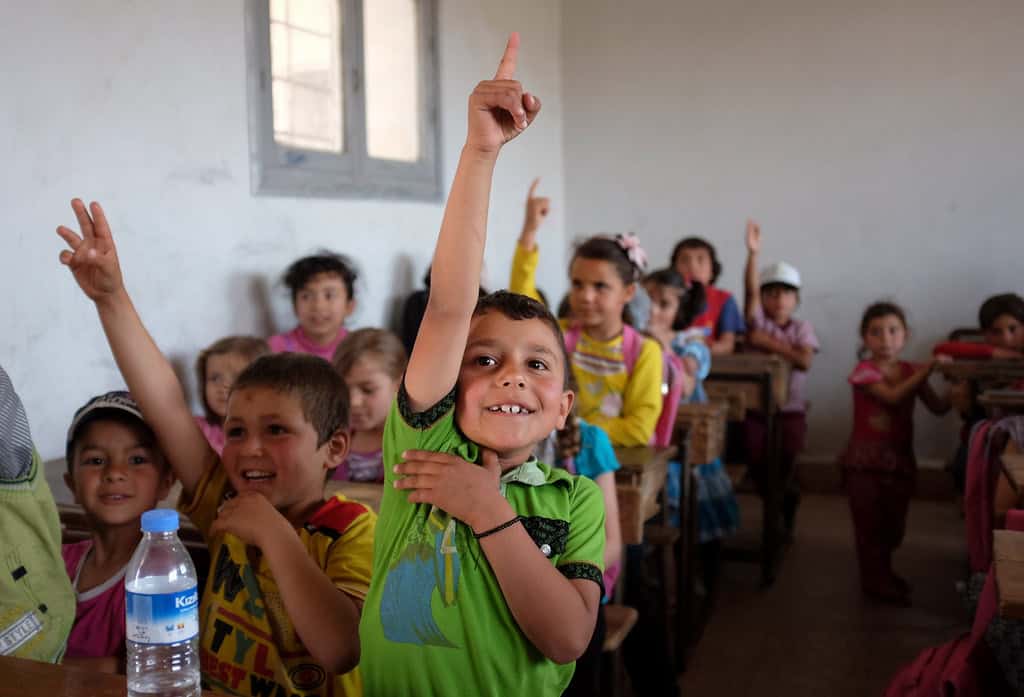
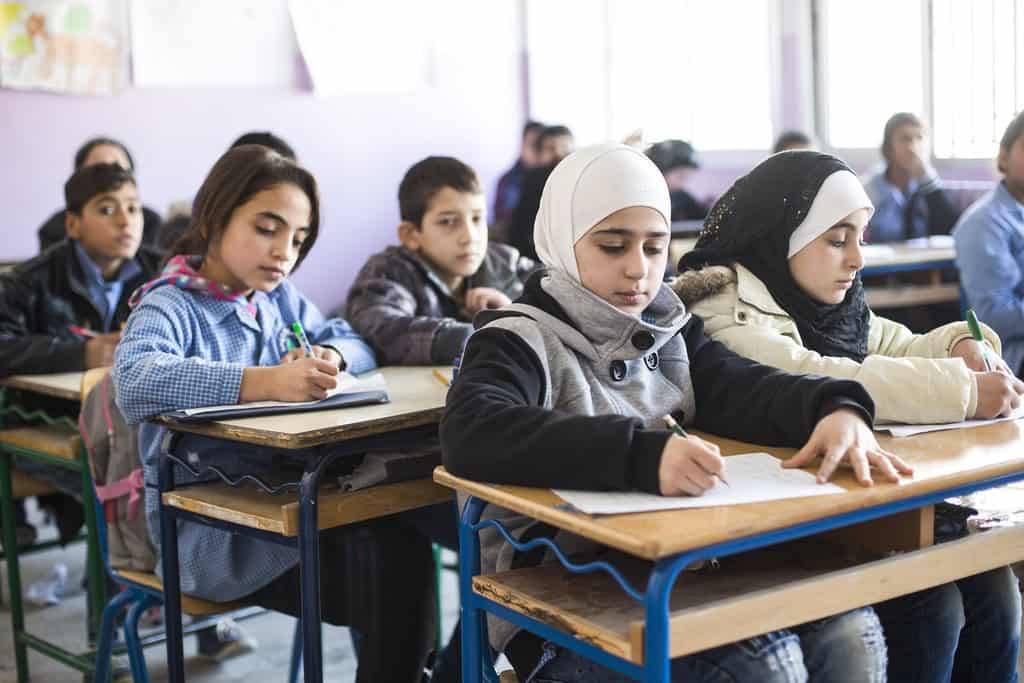
The current Syrian constitution (which may be subject to change under the new regime) guarantees the right to education, which is free and compulsory at primary level, but is not mandatory at secondary level. The 1973 constitution further guarantees that the education system aims to create a socialist nationalist Arab generation, proud of its heritage; despite the scrapping of this Article in 2012, students continued to be taught core elements of Ba’athism.
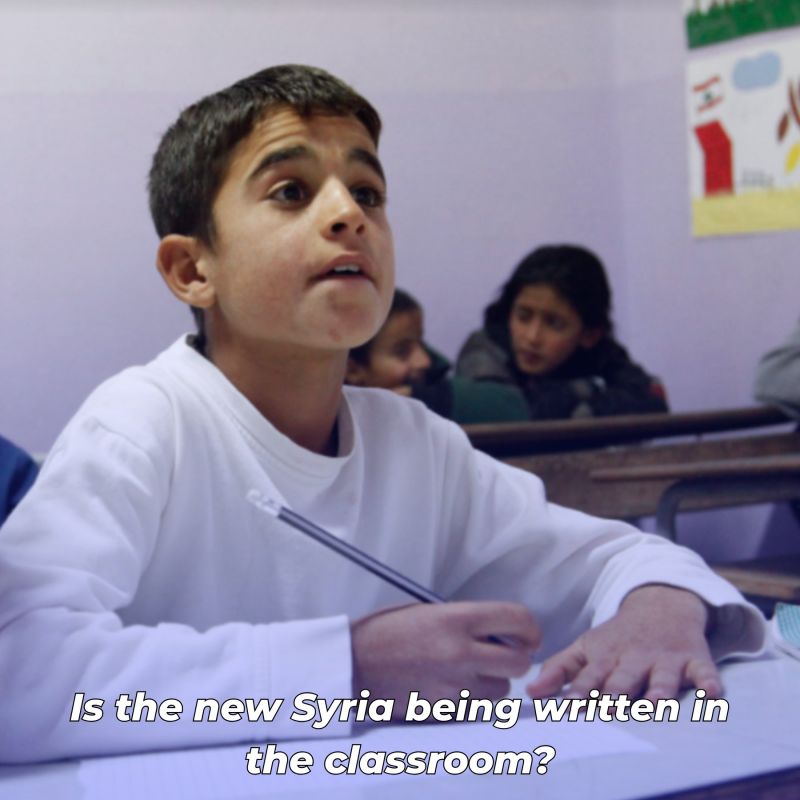
However, following the fall of Bashar al-Assad, HTS have issued directives aimed at removing Ba’athist content from education with an aim to Islamize curricula, including science and the humanities. The HTS directives fall into two distinct categories: (1) overarching reforms that apply across all textbooks, such as removing Ba’athist symbols and eliminating anti-Ottoman content, and (2) page-specific instructions targeting secular and scientific concepts, such as content on evolution and images of women. These overarching reforms, particularly those related to Ottoman history, may reflect ideological alignment with Turkish influence which is noteworthy from a foreign policy perspective. Equally telling as the content HTS seeks to remove is what it has deliberately left intact. The absence of any directive to address antisemitic material, the glorification of violence, or anti-Israel narratives effectively signals an endorsement of it. Reform efforts must therefore focus not only on reversing harmful new directives, but also on eliminating the deeply problematic content that remains.
These directives were issued in January, but there is no confirmation they have been enacted or reflected in textbook prints. Given the early stage of the new regime in Syria, its long-term political objectives remain ambiguous. This is especially true since the appointment of a new transitional government in March, in an effort to create a more diverse cabinet, largely in response to western pressure for greater inclusivity.
While the directives issued by the former Minister of Education indicate a trend toward Islamization, the appointment of a new transitional government produces some uncertainty, and so it remains to be seen whether these directives are upheld or revised. However, since no formal reversal has been issued, a degree of continuity can reasonably be assumed.
Opportunities for the future:
The nascent regime offers substantial opportunities for the future of Syrian education. Under the Assad dictatorship, political expression and freedoms aligned with international educational standards were heavily suppressed. However, Syria now has a chance to adopt a fresh set of educational principles in accordance with UNESCO standards of peace and tolerance in education.
A positive step in this process would be the inclusion of content discussing ethnic minorities and their rights in Syria, especially given recent sectarian violence and division. At present, the Syrian curriculum, whether under Assad or HTS, completely excludes minority communities. These groups are neither visually nor narratively represented, and their erasure contributes to the underlying conditions that fuel sectarian violence.
The international community should closely monitor the direction of these curricular reforms. If implemented, many represent a shift towards exclusionary ideas, contravening UNESCO standards of education. There should be coordinated pressure on the Ministry of Education to halt or reverse these reforms in favor of a more inclusive and tolerant vision for Syrian education.
Recent efforts to promote diversity, as seen in changes to the Syrian cabinet, should be mirrored in the education sector through inclusive policies and curricula that reflect the country’s social and ethnic plurality. To ensure this, future international funding of the new regime should be contingent upon concrete reforms to the national curriculum that advance principles of peace, inclusivity, and tolerance. After 40 years of oppressive rule, this is an opportunity for the nation to embrace meaningful reforms and chart a new course for its educational system.
[/av_textblock]