Affo, 29, was born in a polygamous family comprising more than two dozen children. He is the second child to have obtained a high school degree but the only one to have gone to university. For his seven years at high school, he had to balance his studies with part-time jobs to pay tuition fees and daily expenses. Affo was brought up in a place where educational opportunities are nearly non-existent. But Affo’s is not an isolated story. Rather, it’s common in Benin and the wider African continent. If we’re serious about intergenerational fairness, we need to urgently address the education problems facing millions of Affos in Africa. A widening educational inequality is a global problem but its effects are particularly dire in Africa, given the low level of literacy and the failure of education systems to adapt to the constantly evolving dynamics of learning. While the global literacy rate stands at 90 percent, the average in Africa is about 70 percent. But this continental average does not provide an accurate understanding of the realities. Complete Article HERE
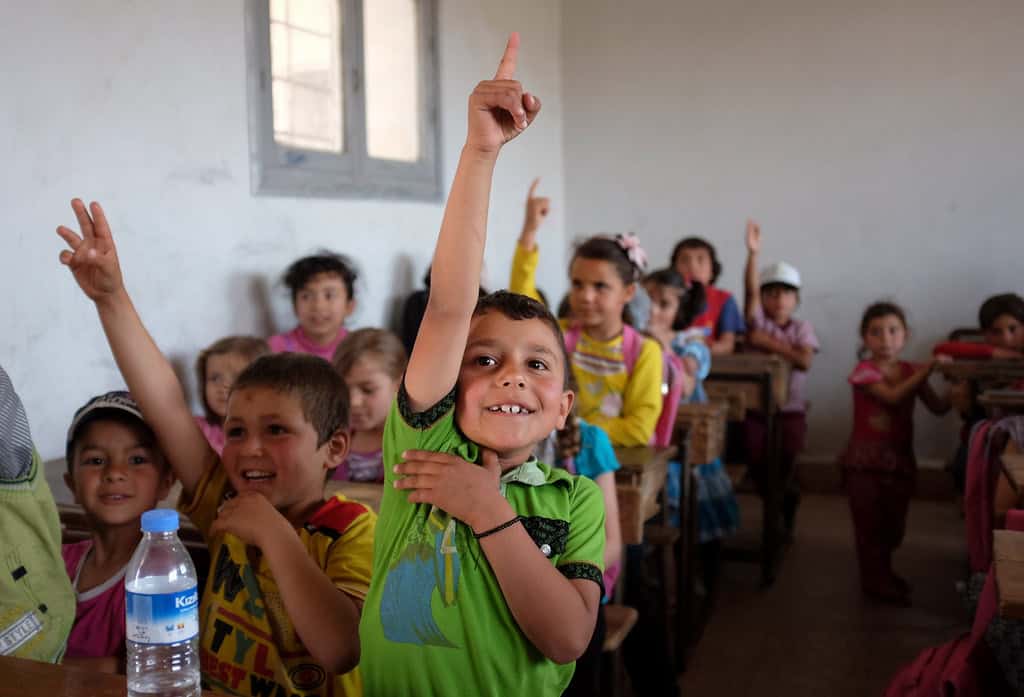
A Case for Educational Justice in Africa
Recommended Research
Review of the Jordanian Curriculum 2025-2026
Aug 11, 2026
REGIONS
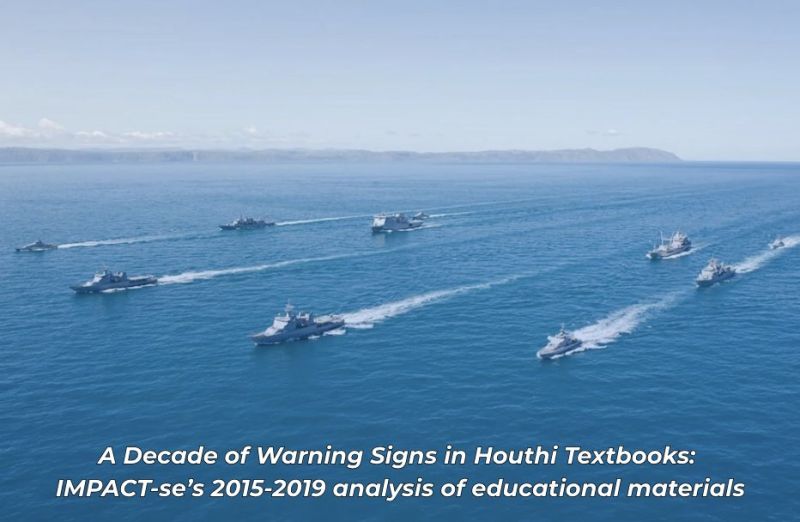
As Houthi violence continues to make headlines, its roots can be seen by analyzing Houthi educational materials from a decade ago.
In mathematics materials from 2015–2019 documented by IMPACT-se, children learn numbers by counting images bearing the Houthi slogan, which includes
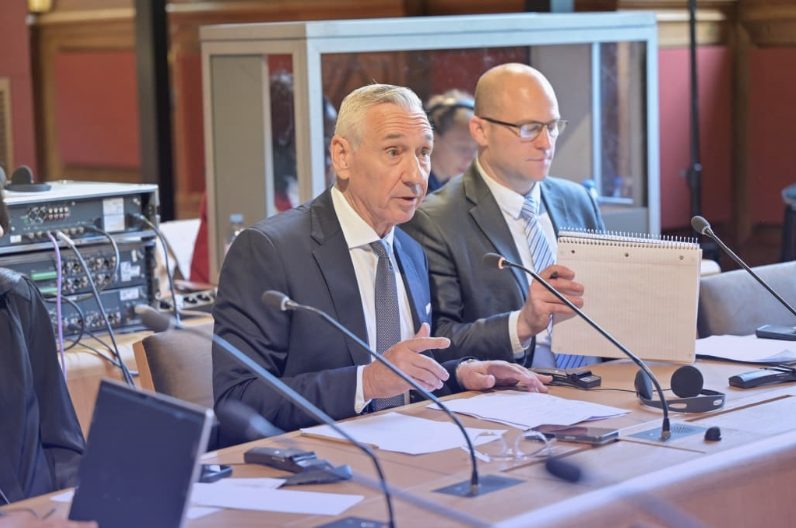
Last week, IMPACT-se CEO Marcus Sheff addressed parliamentarians and policymakers at the House of Lords in London and the French Senate in Paris as part of a delegation of experts on countering extremism, facilitated by @TrendsRA_
Marcus highlighted the essential role of
In a recent article for @NRO, Perpperdine Univeristy (@pepperdine) President Jim Gash and Jeremy Tate, founder of the @CLT_Exam challenge the idea that schools should teach students how to think, rather than what to think.
They argue that education is never entirely neutral:
We are pleased to share that IMPACT-se participated in the 5th Paris Conference on Education (PCE2026), hosted by the The International Academic Forum (@iafor) at Sorbonne University.
Bringing together scholars, educators and policymakers from around the world, the conference
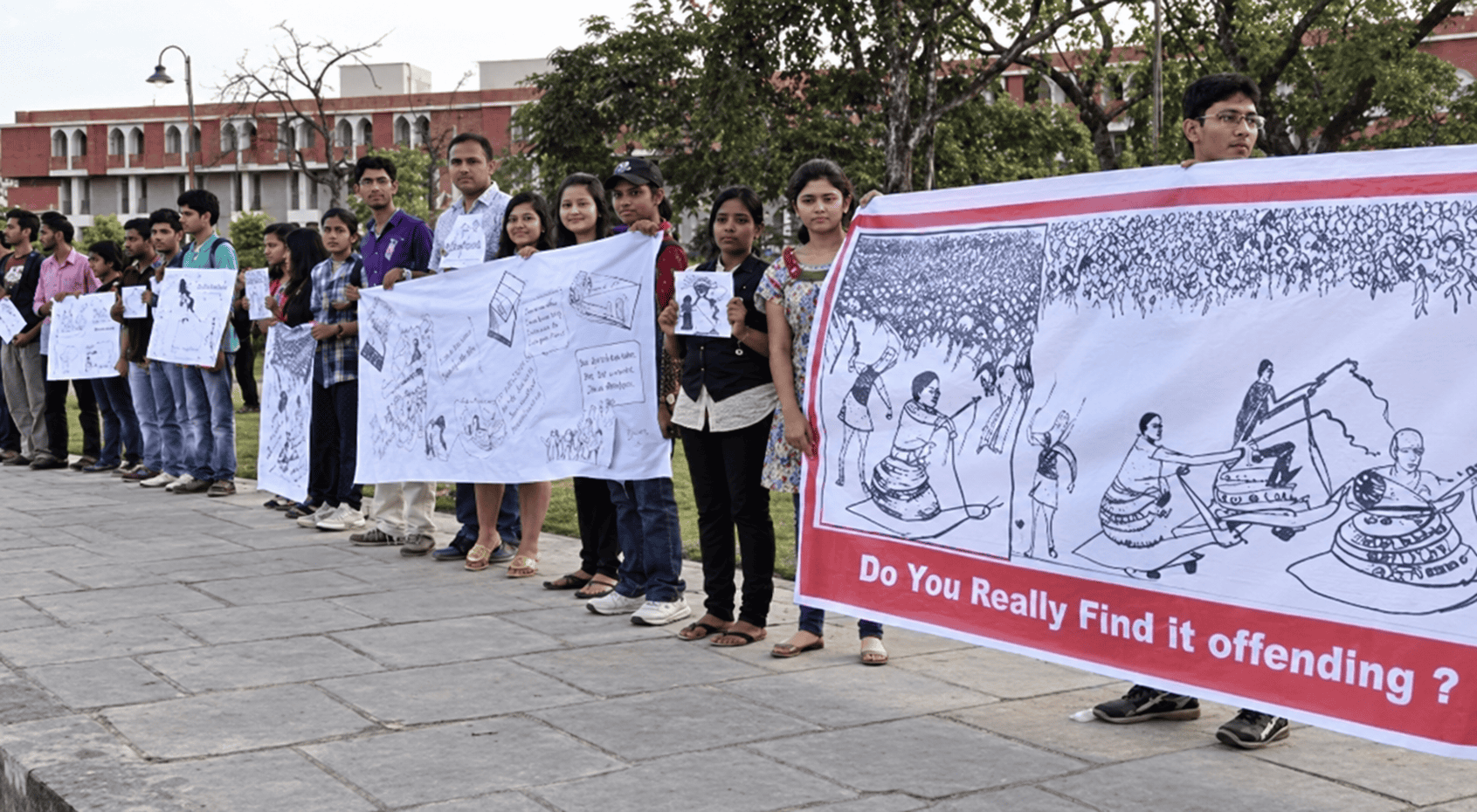
In a recent interview with @dailystarnews, Shireen Huq, a prominent women’s rights activist in Bangladesh, raises important questions about gender and inclusion in education—from the stereotypes embedded in what girls and boys are taught, to body shaming in textbooks and the role
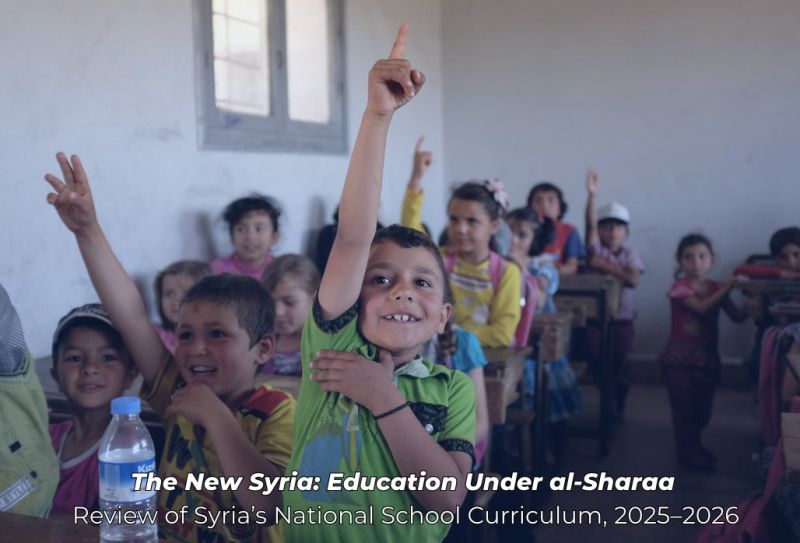
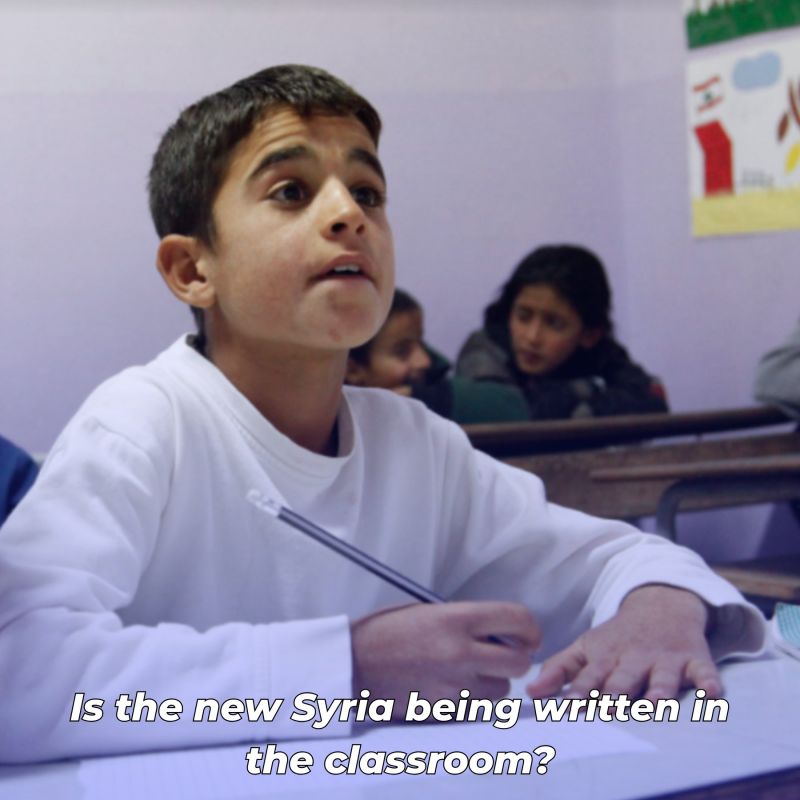
As Syria's new leadership seeks closer engagement with Western governments, its education reforms offer an early indication of the country's future direction. This analysis examines what recent curriculum changes reveal about the regime's ideological priorities—from attitudes
A recent analysis from @PeaceNewsNet examines school textbooks in Iraqi Kurdistan and argues that they could do more to reflect the histories and experiences of the region's diverse ethnic and religious communities, including Arabs, Turkmen, Assyrians, Armenians, Yazidis, and
Every IMPACT-se researcher brings a unique lens to the study of education and society.
Asher Spekterman is a professional Arabic translator and researcher, specializing in Middle Eastern conflicts. He has extensive experience teaching Arabic translation and researching