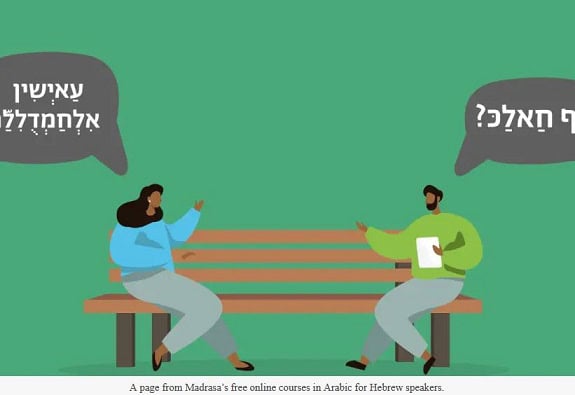
Students from the Henry and Marilyn Taub Faculty of Computer Science at the Technion recently developed a voice-recognition app for the “Madrasa” project to help people learn Arabic. Part of the Madrasa project—which advocates for better communication in Israeli society through spoken Arabic courses—the app includes a voice recognition feature that will allow tens of thousands of students learning Arabic in online courses to practice their pronunciation. Students Noor Hamdan, Rina Atieh, Lina Mansour and Wadad Boulos worked on developing the app. “Working with the students was very effective and helpful,” Gilad Sevitt, founder and director of Madrasa, said. “They came on board and contributed greatly to our project, and we enjoyed working together on both the linguistic and technological levels. . . . With the help of Technion students, we were able to develop a voice recognition component that will finally allow tens of thousands of students in our online courses to practice their pronunciation in Arabic and speak while learning,” Sevitt said. Complete Article HERE
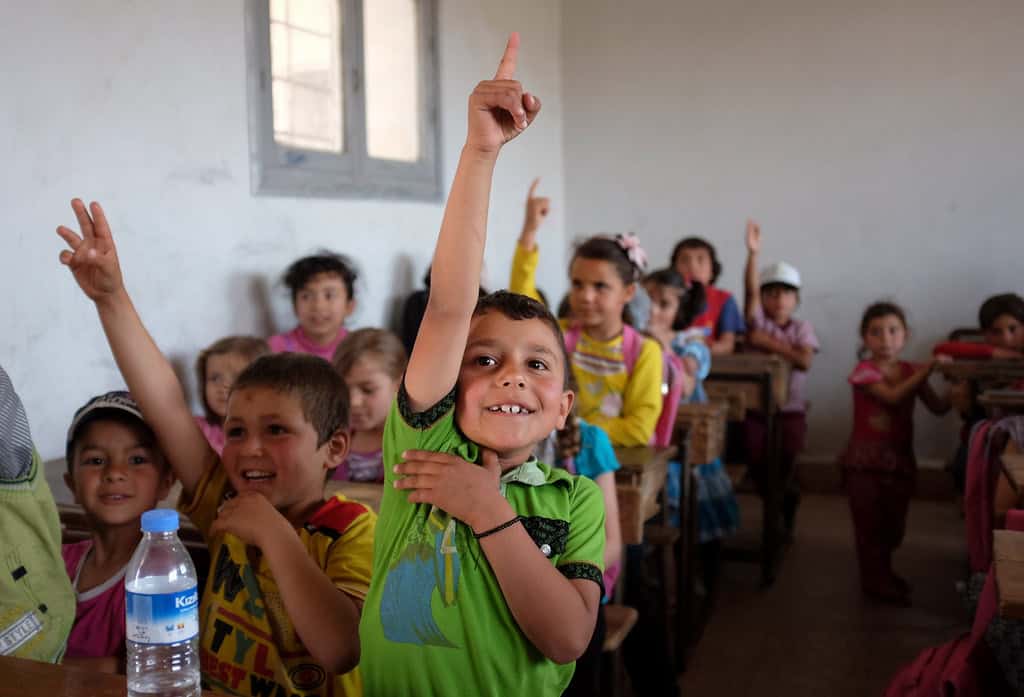
Arabic-Learning ‘Madrasa’ App Developed by Technion Students
Recommended Research
Review of the Jordanian Curriculum 2025-2026
Aug 11, 2026
REGIONS
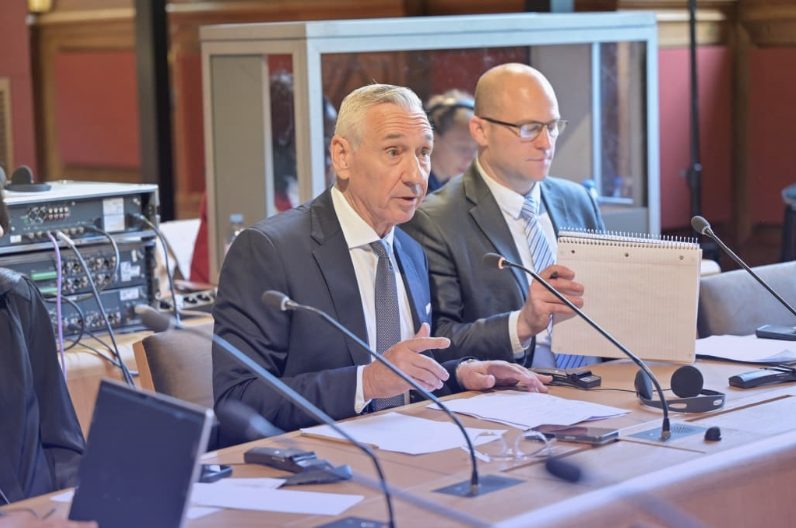
Last week, IMPACT-se CEO Marcus Sheff addressed parliamentarians and policymakers at the House of Lords in London and the French Senate in Paris as part of a delegation of experts on countering extremism, facilitated by @TrendsRA_
Marcus highlighted the essential role of
In a recent article for @NRO, Perpperdine Univeristy (@pepperdine) President Jim Gash and Jeremy Tate, founder of the @CLT_Exam challenge the idea that schools should teach students how to think, rather than what to think.
They argue that education is never entirely neutral:
We are pleased to share that IMPACT-se participated in the 5th Paris Conference on Education (PCE2026), hosted by the The International Academic Forum (@iafor) at Sorbonne University.
Bringing together scholars, educators and policymakers from around the world, the conference
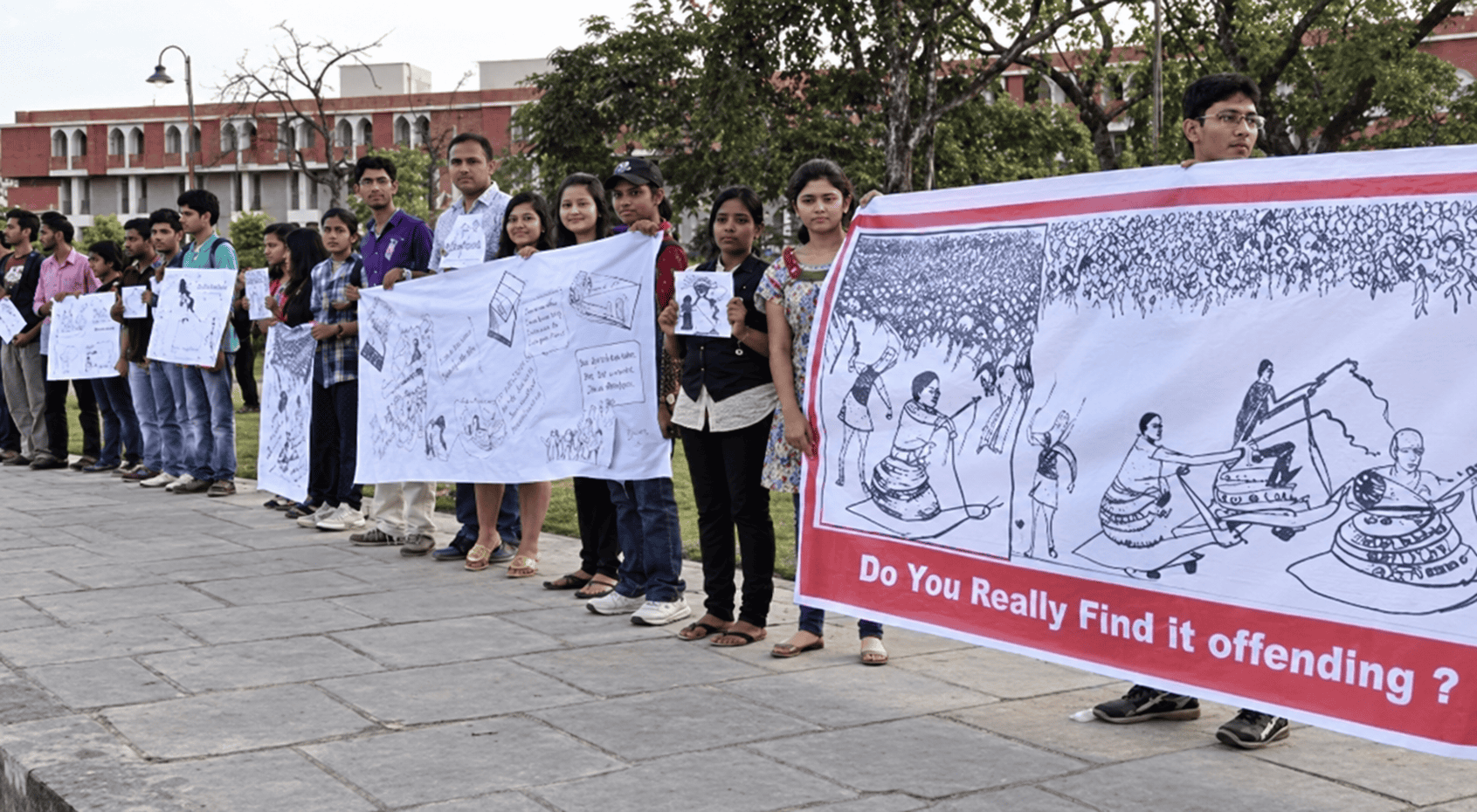
In a recent interview with @dailystarnews, Shireen Huq, a prominent women’s rights activist in Bangladesh, raises important questions about gender and inclusion in education—from the stereotypes embedded in what girls and boys are taught, to body shaming in textbooks and the role
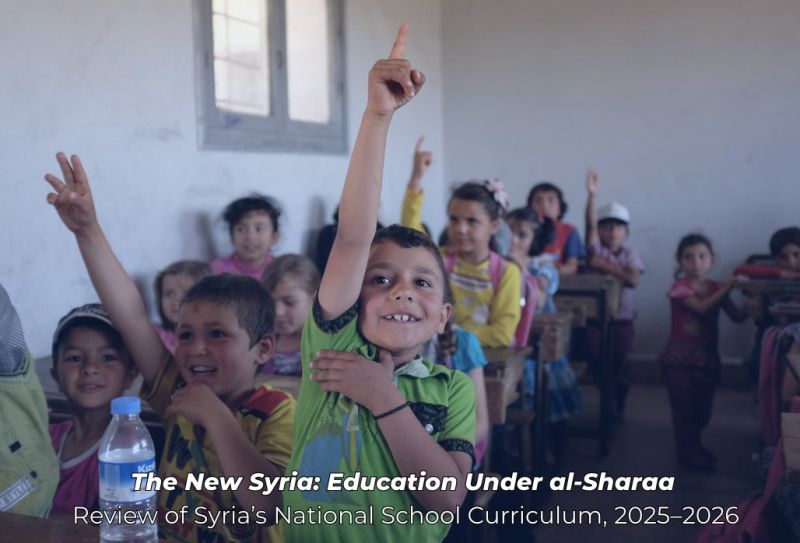
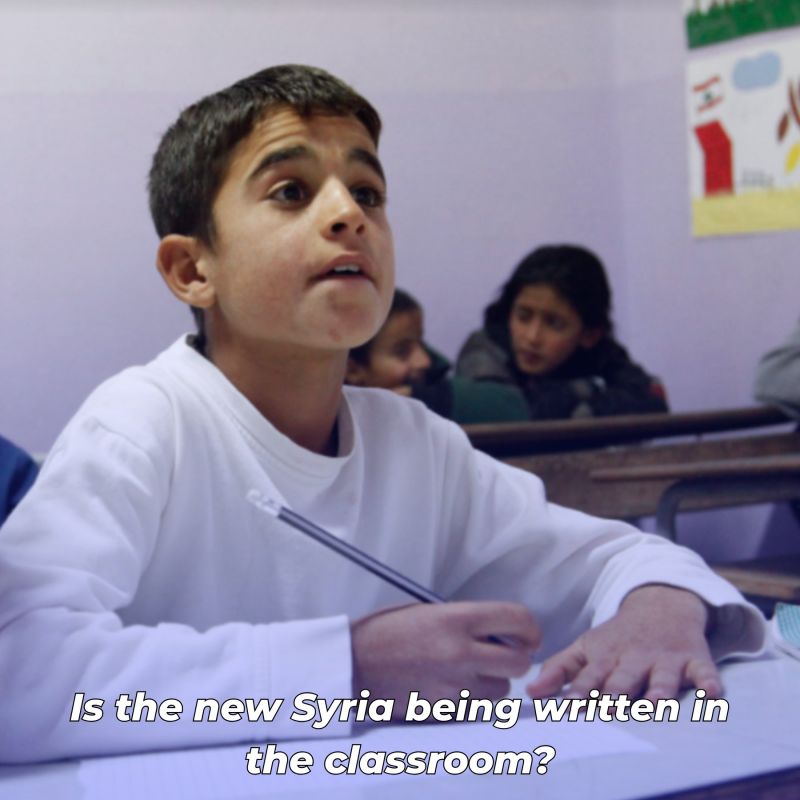
As Syria's new leadership seeks closer engagement with Western governments, its education reforms offer an early indication of the country's future direction. This analysis examines what recent curriculum changes reveal about the regime's ideological priorities—from attitudes
A recent analysis from @PeaceNewsNet examines school textbooks in Iraqi Kurdistan and argues that they could do more to reflect the histories and experiences of the region's diverse ethnic and religious communities, including Arabs, Turkmen, Assyrians, Armenians, Yazidis, and
Every IMPACT-se researcher brings a unique lens to the study of education and society.
Asher Spekterman is a professional Arabic translator and researcher, specializing in Middle Eastern conflicts. He has extensive experience teaching Arabic translation and researching
Where should education about gender identity and sexual orientation take place - in textbooks or through dedicated classroom programmes?
IMPACT-se's analysis of LGBT issues in Israel's education system examines how these topics are addressed across both textbooks and Ministry of