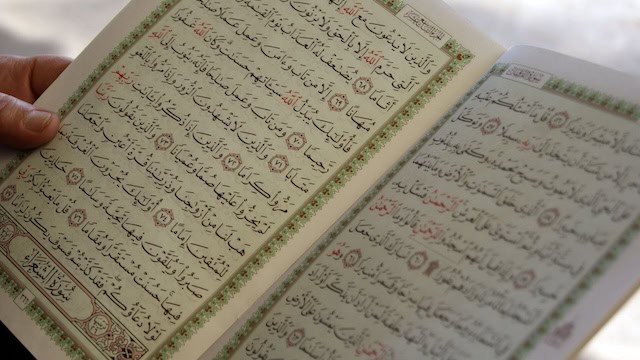
When the Egyptian Parliament recently considered a bill intended to support the use of Standard Arabic, the discussion grew heated between a a representative of Al-Azhar and a parliamentarian who objected to provisions about Quran memorization in primary school. Modern Standard Arabic is the formal dialect of the wider Arabic language, which there are now many dialects across the Arab world. On Nov. 30, the Egyptian Parliament discussed a bill containing measures to support of the arguably archaic literary dialect that included a language exam for applicants for government jobs, obligating shops to post their names in Standard Arabic and forcing advertisements and television programs to broadcast their content in Standard Arabic. The bill includes penalties of up to a year in imprison and fines of up to 50,000 Egyptian pounds ($3,175). In the session, a representative of Al-Azhar suggested students be required to memorize more Quranic verses, but parliamentarian Youssef Al-Husseini objected to provisions in the bill that retain Quran memorization in primary school. “There are non-Muslim students like Copts who should not be forced to memorize the Quran,” argued Husseini, who is deputy chairman of parliament’s media and culture committee. Complete Article HERE

Egyptian Parliament Reopens Debate on Quran’s Place in the Curriculum
Recommended Research
REGIONS
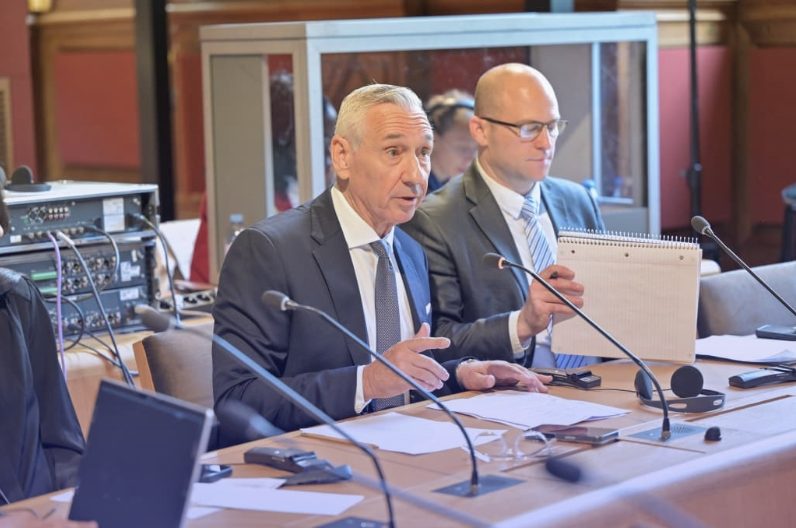
Last week, IMPACT-se CEO @marcusjsheff testified at a United States Commission on International Religious Freedom (@USCIRF) hearing on Freedom of Religion or Belief in Egypt.
He presented our analysis of Egypt’s school curriculum, drawing on more than a decade of analysing
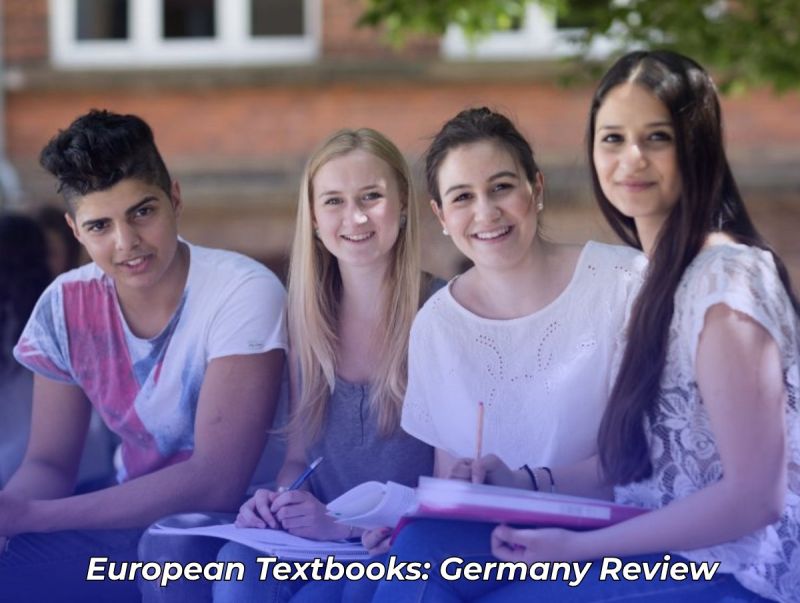
IMPACT-se’s latest report offers an in-depth analysis of German textbooks, examining their presentation of Jews and Jewish life, the Holocaust and the Israeli-Palestinian conflict.
The report finds that Jewish history and contemporary Jewish life are presented as an integral
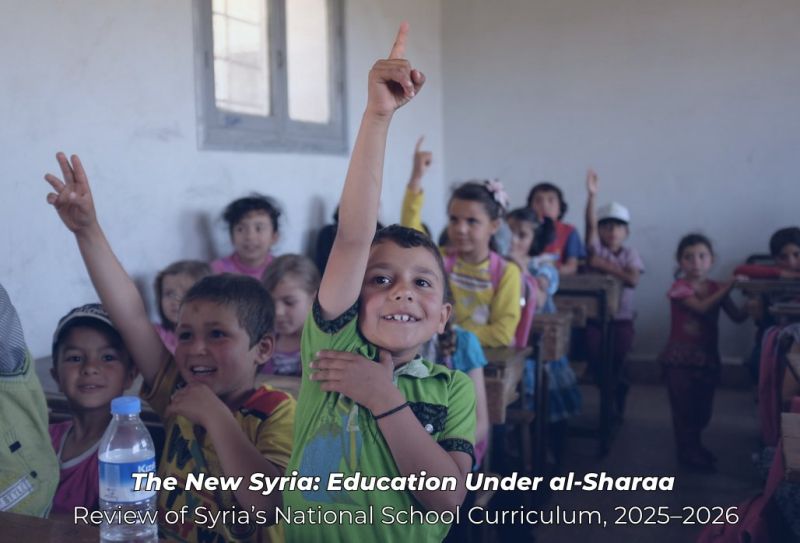
IMPACT-se has just published the first in-depth analysis of Syria’s school curriculum since the al-Sharaa administration came to power. The landmark report examines 130 textbooks for Grades 1–12, revealing how the new Syria is reshaping education for the next generation.
The
In an article for Taiwan insight, Tuyuq Rabay examines efforts to give Indigenous heritage a greater place in Taiwan’s schools. At one elementary school, students learn about ancestral history, language, and cultural traditions through forest walks, storytelling, and activities
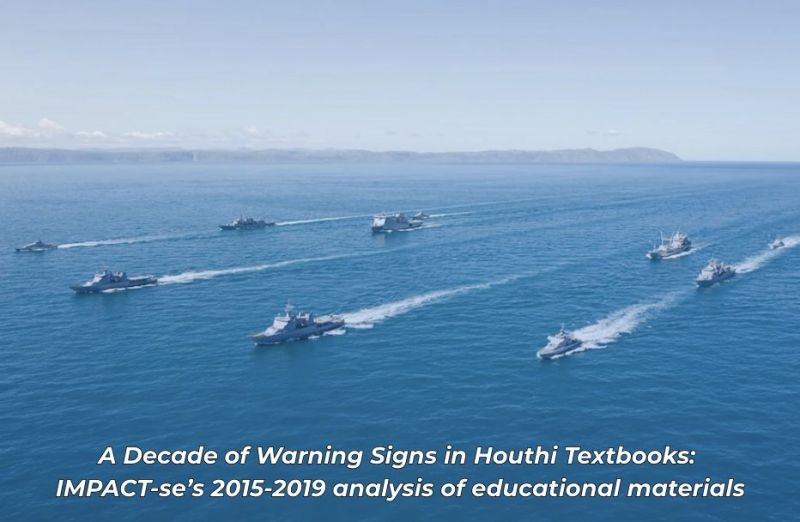
As Houthi violence continues to make headlines, its roots can be seen by analyzing Houthi educational materials from a decade ago.
In mathematics materials from 2015–2019 documented by IMPACT-se, children learn numbers by counting images bearing the Houthi slogan, which includes
Last week, IMPACT-se CEO Marcus Sheff addressed parliamentarians and policymakers at the House of Lords in London and the French Senate in Paris as part of a delegation of experts on countering extremism, facilitated by @TrendsRA_
Marcus highlighted the essential role of
In a recent article for @NRO, Perpperdine Univeristy (@pepperdine) President Jim Gash and Jeremy Tate, founder of the @CLT_Exam challenge the idea that schools should teach students how to think, rather than what to think.
They argue that education is never entirely neutral:
We are pleased to share that IMPACT-se participated in the 5th Paris Conference on Education (PCE2026), hosted by the The International Academic Forum (@iafor) at Sorbonne University.
Bringing together scholars, educators and policymakers from around the world, the conference