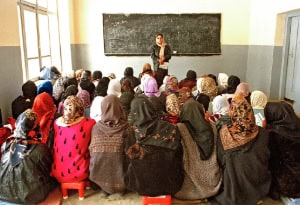
Behind a yellow door in an alley blanketed by snow, 25 girls sit on the floor, huddled in coats and headscarves, in front of a white board. “What are you doing?” the teacher asks in English. “I am a student!” they chant in unison. Their plastic shoes that are piled outside the door are a symbol of extraordinary courage: six months after the Taliban seized power in Kabul, crushing the dreams of women and girls by banning them from secondary education, some are fighting back. They are going to secret classes in clandestine schools. “I want to be an educated person,” says Yalda, 11, eyes shining under a scarlet scarf. “I want to be an engineer and build beautiful schools and homes in my country.” Kamila, 16, had heard stories from her mother about secret schools under the previous Taliban regime in the 1990s but never imagined she might end up in one. “I thought the world is too developed. But here we are.” She dreams of a brighter future: “I want to go to university to be an investigative lawyer, particularly helping those who can’t pay.” When the girls heard about a secret school in their area, they were overjoyed. They bravely insisted that they are not scared of being caught. “Learning is not a crime,” Fatima, 12, said… Complete Article HERE
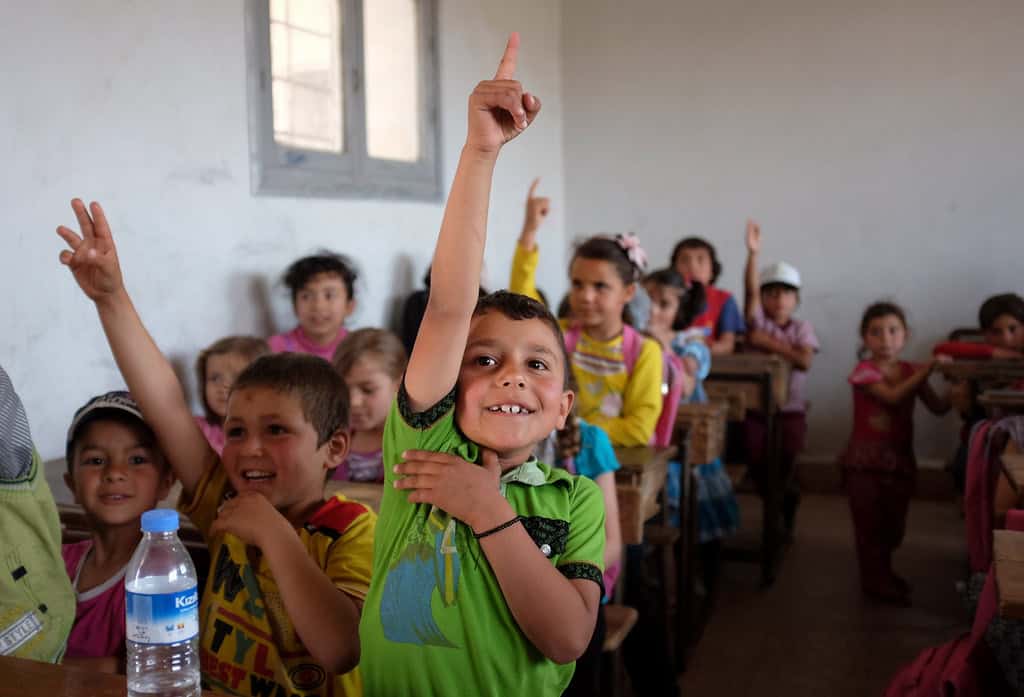
Huddled in Secret Schools, Afghan Girls Refuse to Give Up on Education
Recommended Research
Review of Saudi Textbooks 2024-2026
Jul 29, 2026
REGIONS
In a recent article for @NRO, Perpperdine Univeristy (@pepperdine) President Jim Gash and Jeremy Tate, founder of the @CLT_Exam challenge the idea that schools should teach students how to think, rather than what to think.
They argue that education is never entirely neutral:
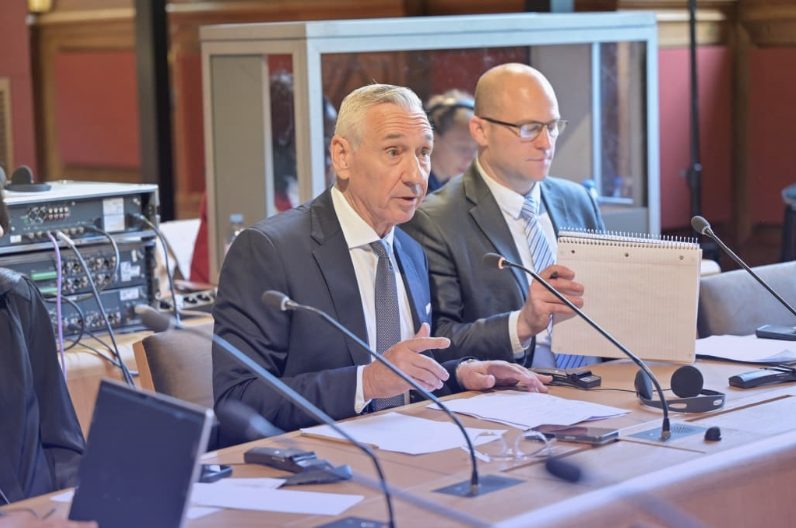
We are pleased to share that IMPACT-se participated in the 5th Paris Conference on Education (PCE2026), hosted by the The International Academic Forum (@iafor) at Sorbonne University.
Bringing together scholars, educators and policymakers from around the world, the conference
In a recent interview with @dailystarnews, Shireen Huq, a prominent women’s rights activist in Bangladesh, raises important questions about gender and inclusion in education—from the stereotypes embedded in what girls and boys are taught, to body shaming in textbooks and the role
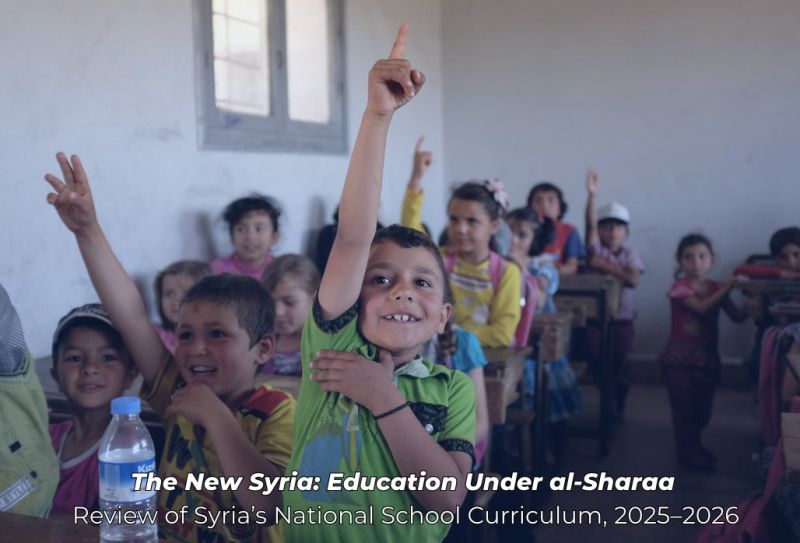
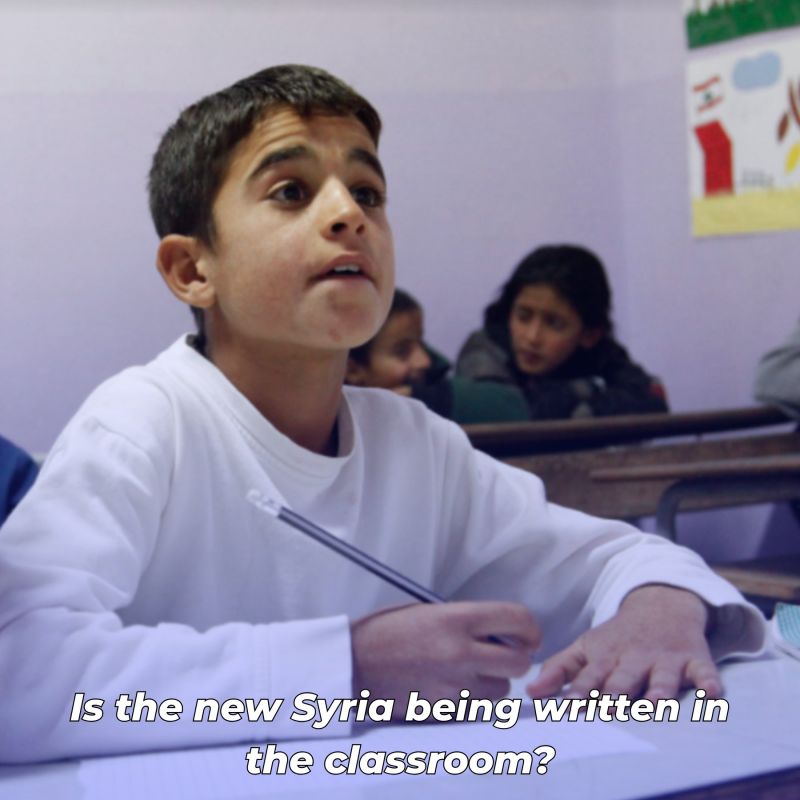
As Syria's new leadership seeks closer engagement with Western governments, its education reforms offer an early indication of the country's future direction. This analysis examines what recent curriculum changes reveal about the regime's ideological priorities—from attitudes
A recent analysis from @PeaceNewsNet examines school textbooks in Iraqi Kurdistan and argues that they could do more to reflect the histories and experiences of the region's diverse ethnic and religious communities, including Arabs, Turkmen, Assyrians, Armenians, Yazidis, and
Every IMPACT-se researcher brings a unique lens to the study of education and society.
Asher Spekterman is a professional Arabic translator and researcher, specializing in Middle Eastern conflicts. He has extensive experience teaching Arabic translation and researching
Where should education about gender identity and sexual orientation take place - in textbooks or through dedicated classroom programmes?
IMPACT-se's analysis of LGBT issues in Israel's education system examines how these topics are addressed across both textbooks and Ministry of
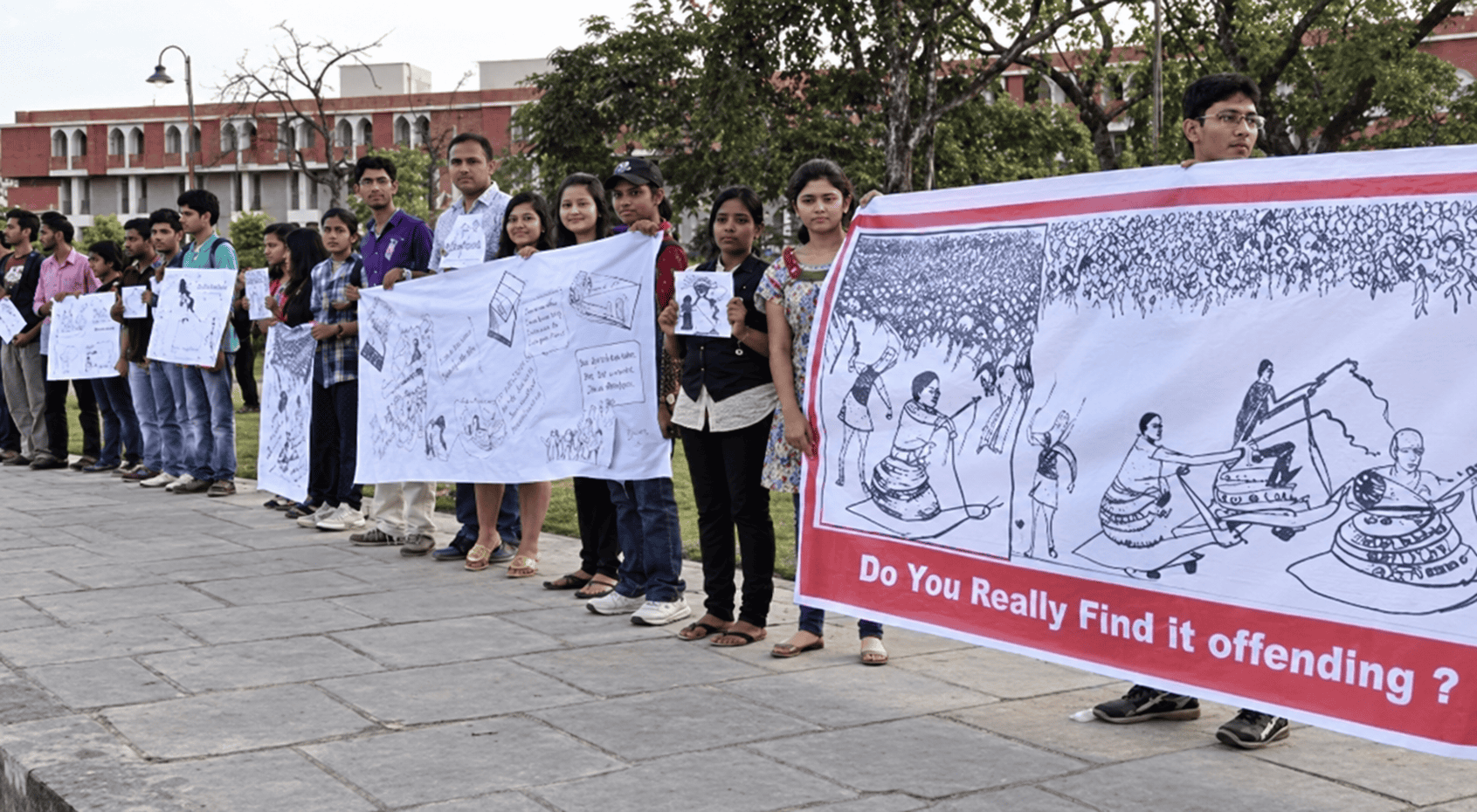
A recent analysis in @the_hindu examines the gradual disappearance of political cartoons from Indian textbooks, prompting discussion about what is gained, and what may be lost, when visual satire is removed from the classroom.
Beyond cartoons themselves, the debate highlights