Afghanistan

BriefAfghanistan | South Asia

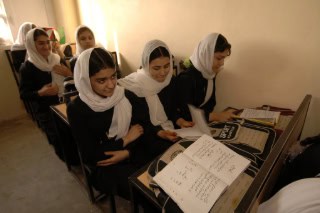
‘Will I Be Illiterate? In Taliban’s Afghanistan, Girls Fight Back—Attend Secret Classes, Refuse to Disappear

The underground school in suburban Kabul began in July this year, one of 50 set up by women’s rights activists, months after the Taliban regime in Afghanistan disallowed school for girls studying in classes 7...

Read More
BriefAfghanistan | South Asia

Mobile Schools Provide Hope for Afghan Children—Especially for Girls

Afghanistan’s education system has been devastated by more than three decades of sustained conflict. For many of the country’s children, completing primary school remains a distant dream—especially in rural areas and for girls—despite recent progress...

Read More
BriefAfghanistan | South Asia

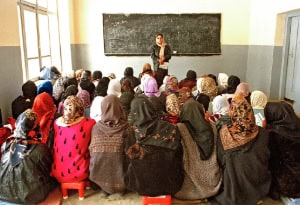
Huddled in Secret Schools, Afghan Girls Refuse to Give Up on Education

Behind a yellow door in an alley blanketed by snow, 25 girls sit on the floor, huddled in coats and headscarves, in front of a white board. “What are you doing?” the teacher asks in...

Read More
Search

Search by Region

Your Title Goes Here

Your content goes here. Edit or remove this text inline or in the module Content settings. You can also style every aspect of this content in the module Design settings and even apply custom CSS to this text in the module Advanced settings.

Latest Tweets

Every IMPACT-se researcher brings a unique lens to the study of education and society.

Asher Spekterman is a professional Arabic translator and researcher, specializing in Middle Eastern conflicts. He has extensive experience teaching Arabic translation and researching

Where should education about gender identity and sexual orientation take place - in textbooks or through dedicated classroom programmes?

IMPACT-se's analysis of LGBT issues in Israel's education system examines how these topics are addressed across both textbooks and Ministry of

A recent analysis in @the_hindu examines the gradual disappearance of political cartoons from Indian textbooks, prompting discussion about what is gained, and what may be lost, when visual satire is removed from the classroom.

Beyond cartoons themselves, the debate highlights

Load More