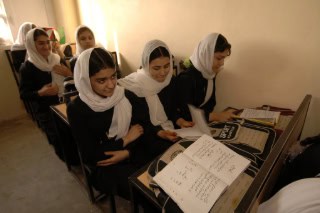
The underground school in suburban Kabul began in July this year, one of 50 set up by women’s rights activists, months after the Taliban regime in Afghanistan disallowed school for girls studying in classes 7 and above. In the Taliban’s interpretation of Islam, there is no sawaab in educating girls. While women have so far not been stopped from going to universities—men and women go on separate days—given the ban on schooling, there will be no new admissions. In the class of 26 are women of varying ages, including a woman in her thirties, who had to drop out of school in her fourth grade during the first Taliban regime from 1996 to 2001, and her daughter, who should have started Class 8 in March this year but is now out of school—two generations of women who know first-hand what it is to have dreams cut short, what it is for women and girls to live under the Taliban’s boots. “I could never go back to school after that. I come here because it is a chance to relearn how to write and read Dari and be able to do some sums, so that I can teach my children,” says the mother. Complete Article HERE
‘Will I Be Illiterate’? In Taliban’s Afghanistan, Girls Fight Back—Attend Secret Classes, Refuse to Disappear
Recommended Research
Review of the Jordanian Curriculum 2025-2026
Aug 11, 2026
REGIONS
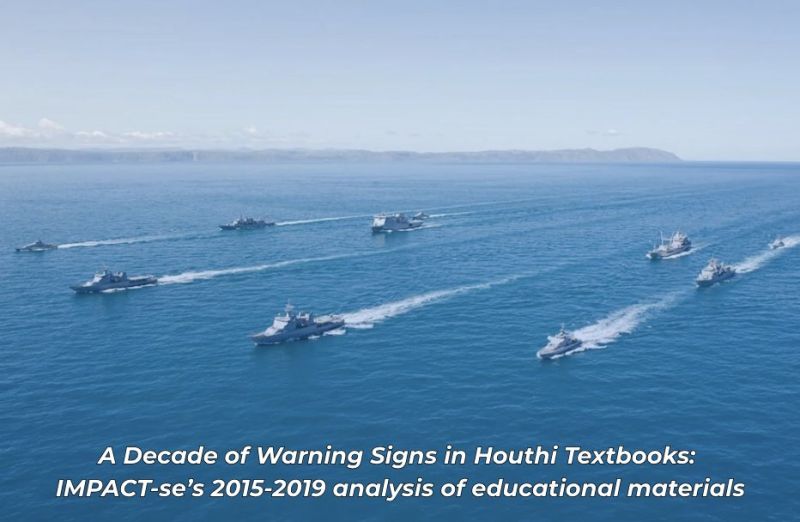
As Houthi violence continues to make headlines, its roots can be seen by analyzing Houthi educational materials from a decade ago.
In mathematics materials from 2015–2019 documented by IMPACT-se, children learn numbers by counting images bearing the Houthi slogan, which includes
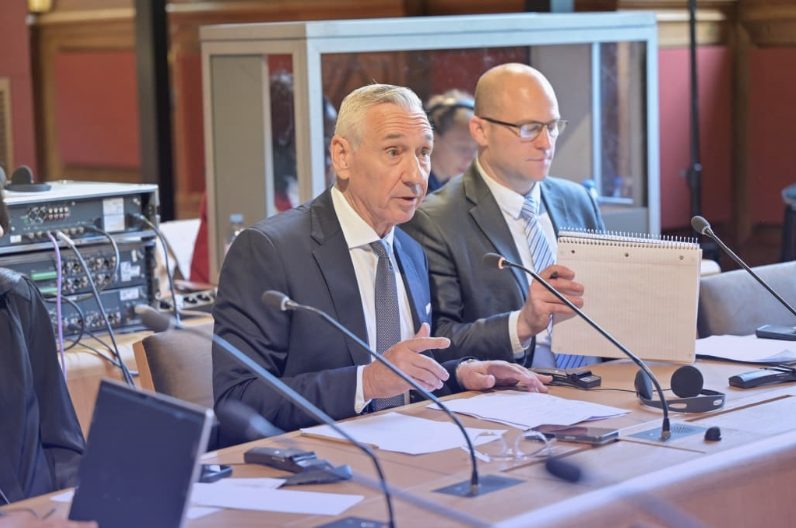
Last week, IMPACT-se CEO Marcus Sheff addressed parliamentarians and policymakers at the House of Lords in London and the French Senate in Paris as part of a delegation of experts on countering extremism, facilitated by @TrendsRA_
Marcus highlighted the essential role of
In a recent article for @NRO, Perpperdine Univeristy (@pepperdine) President Jim Gash and Jeremy Tate, founder of the @CLT_Exam challenge the idea that schools should teach students how to think, rather than what to think.
They argue that education is never entirely neutral:
We are pleased to share that IMPACT-se participated in the 5th Paris Conference on Education (PCE2026), hosted by the The International Academic Forum (@iafor) at Sorbonne University.
Bringing together scholars, educators and policymakers from around the world, the conference
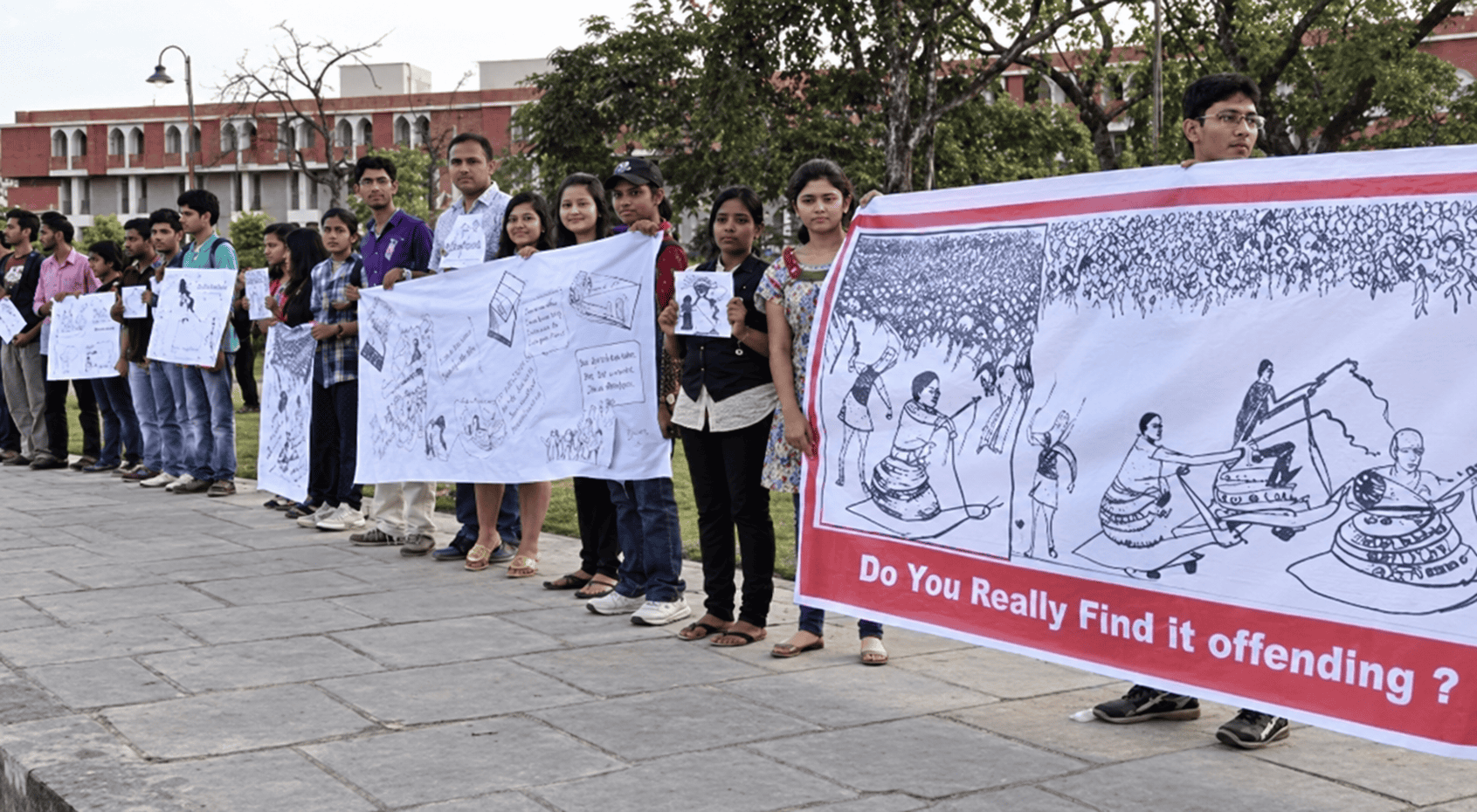
In a recent interview with @dailystarnews, Shireen Huq, a prominent women’s rights activist in Bangladesh, raises important questions about gender and inclusion in education—from the stereotypes embedded in what girls and boys are taught, to body shaming in textbooks and the role
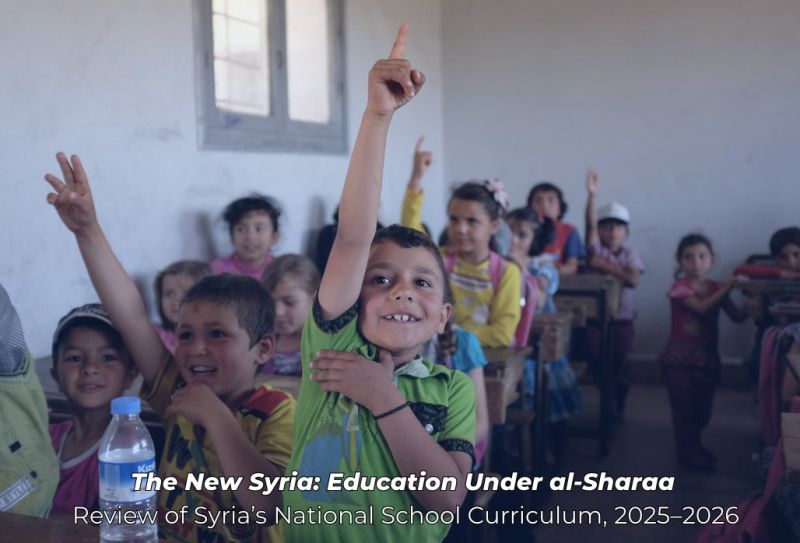
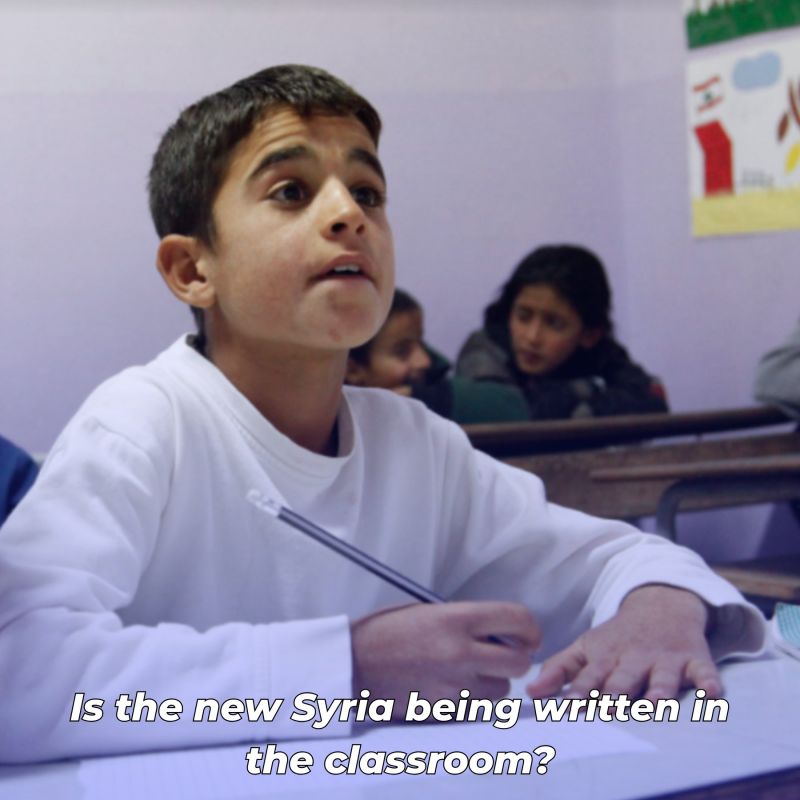
As Syria's new leadership seeks closer engagement with Western governments, its education reforms offer an early indication of the country's future direction. This analysis examines what recent curriculum changes reveal about the regime's ideological priorities—from attitudes
A recent analysis from @PeaceNewsNet examines school textbooks in Iraqi Kurdistan and argues that they could do more to reflect the histories and experiences of the region's diverse ethnic and religious communities, including Arabs, Turkmen, Assyrians, Armenians, Yazidis, and
Every IMPACT-se researcher brings a unique lens to the study of education and society.
Asher Spekterman is a professional Arabic translator and researcher, specializing in Middle Eastern conflicts. He has extensive experience teaching Arabic translation and researching