Indonesia

ReportSouth East Asia | Indonesia

Indonesia’s New Curriculum

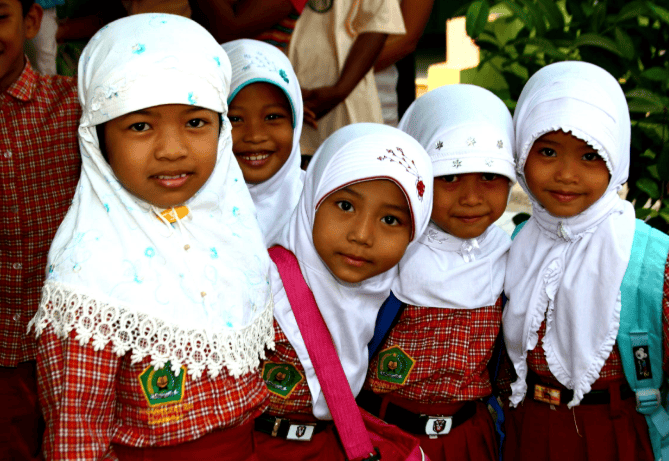
IMPACT-se’s updated report on Indonesia’s textbooks provides an important barometer in assessing the direction of the world’s fourth most populous country. The study analyzes Indonesia’s most recent Merdeka Curriculum and compares it with the previous...

Read More
AnalysisAzerbaijan | Middle East | North Africa | Indonesia

The Portrayal of Jews and Israel in Muslim and Arab Textbooks: Major Trends

This special publication, produced in collaboration with INSS by IMPACT-se Head of Research Eldad Pardo and Research Associate Dr. Yonatan Negev, explores the portrayal of Jews and Israel in textbooks from Muslim and Arab countries...

Read More
ReportSouth East Asia | Indonesia

UNITY IN DIVERSITY: THE INDONESIAN CURRICULUM

This IMPACT-se report offers a first-of-its-kind insight into the Indonesian curriculum for grades 1–12. This covers textbooks on religion, civics, history, social studies, environmental studies, globalization, and geography. The research explores how specific lessons, images...

Read More
Search

Search by Region

Your Title Goes Here

Your content goes here. Edit or remove this text inline or in the module Content settings. You can also style every aspect of this content in the module Design settings and even apply custom CSS to this text in the module Advanced settings.

Latest Tweets

In a recent article for @NRO, Perpperdine Univeristy (@pepperdine) President Jim Gash and Jeremy Tate, founder of the @CLT_Exam challenge the idea that schools should teach students how to think, rather than what to think.

They argue that education is never entirely neutral:

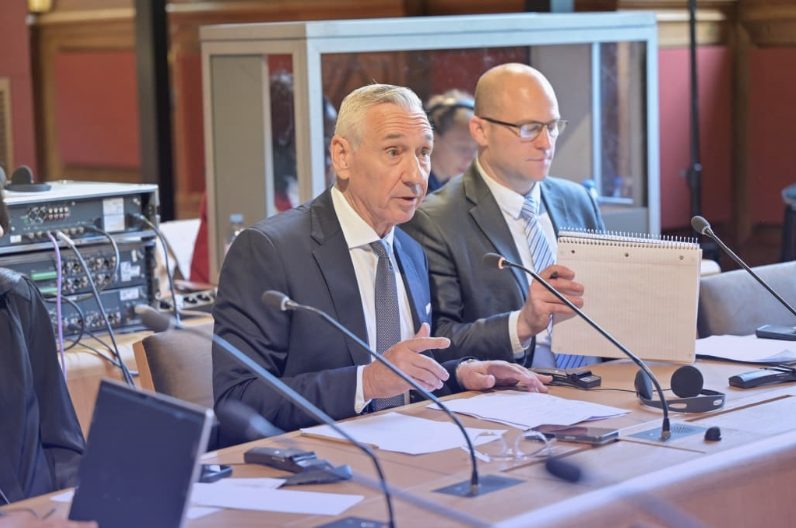
We are pleased to share that IMPACT-se participated in the 5th Paris Conference on Education (PCE2026), hosted by the The International Academic Forum (@iafor) at Sorbonne University.

Bringing together scholars, educators and policymakers from around the world, the conference

In a recent interview with @dailystarnews, Shireen Huq, a prominent women’s rights activist in Bangladesh, raises important questions about gender and inclusion in education—from the stereotypes embedded in what girls and boys are taught, to body shaming in textbooks and the role