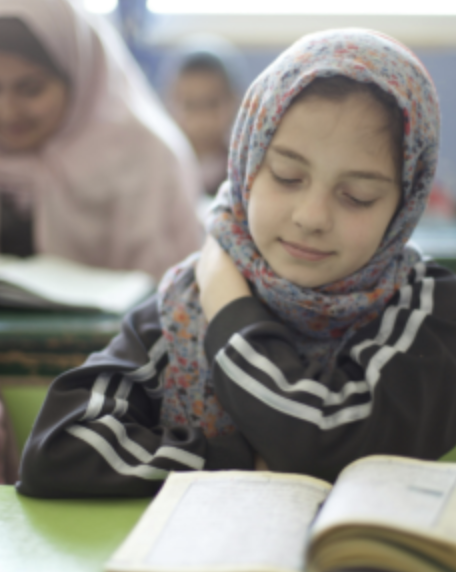
IMPACT-se’s updated Iran report analyzed new sets of textbooks in the Iranian curriculum created for the current 2021-2022 academic year. The findings indicate a greater degree of radicalization than in previous IMPACT-se reports, “Iran’s Global War Curriculum” (2006-2007) and “Iranian Education: The Continuous Revolution” (2016). Findings show that the Islamic Republic’s curriculum provides educational content that continues to teach students about the prospect of a global struggle to spread the Islamist-Khomeinist revolution from as early as the first grade. The world is divided between followers of Iran’s global revolution and those who oppose it. Students are taught that Arab proxy militias are part of the Iranian regime and core to its goals. A central tenet of the curriculum is aimed at equipping the military forces of the country. Maintaining Khomeinist ideology is the foundation for war and martyrdom in the name of spreading Islam. Students are taught that they are constantly under threat, most notably from the United States. The curriculum attacks the United States and praises the slogan “Death to America!” Death to America hate rituals are praised and justified as an important tool for preserving the unity of society and a necessity against American arrogant disposition. As is the case with prior reports, antisemitism remains rife, classic antisemitic tropes are used to describe Zionism, as a wealthy ring of evil Jewish capitalists looking to control the world for malicious gain and students are encouraged to attend protests calling for the “death to Israel.”
Iran’s Radical Education: An Interim Update Report, 2021-22
June 27, 2025
Recommended Research
REGIONS
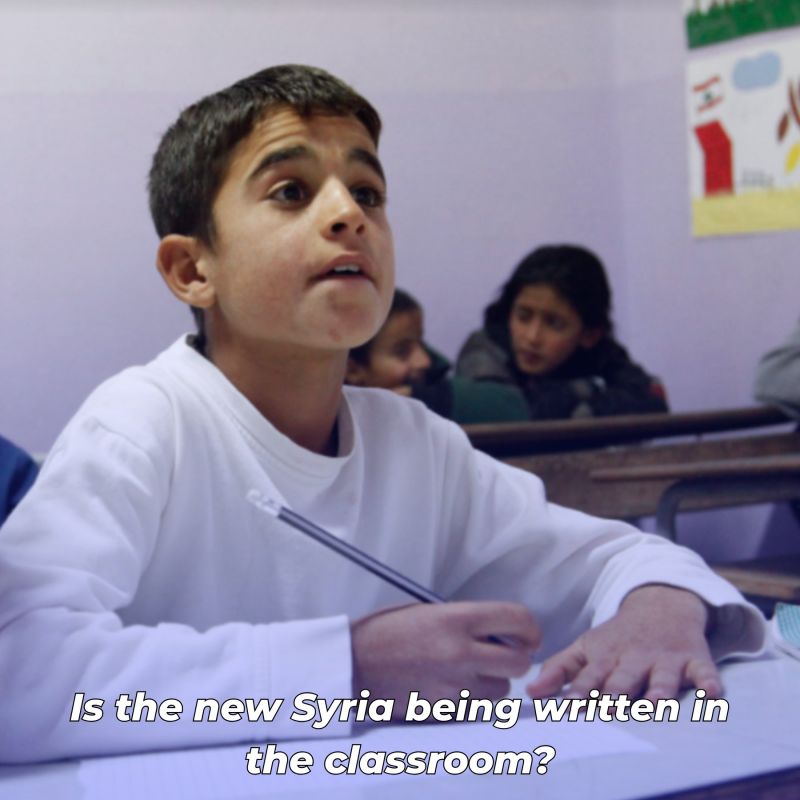
As Syria's new leadership seeks closer engagement with Western governments, its education reforms offer an early indication of the country's future ...direction. This analysis examines what recent curriculum changes reveal about the regime's ideological priorities—from attitudes
A recent analysis from @PeaceNewsNet examines school textbooks in Iraqi Kurdistan and argues that they could do more to reflect the histories and ...experiences of the region's diverse ethnic and religious communities, including Arabs, Turkmen, Assyrians, Armenians, Yazidis, and
Every IMPACT-se researcher brings a unique lens to the study of education and society.
Asher Spekterman is a professional Arabic translator and ...researcher, specializing in Middle Eastern conflicts. He has extensive experience teaching Arabic translation and researching
Where should education about gender identity and sexual orientation take place - in textbooks or through dedicated classroom programmes?
IMPACT-se's... analysis of LGBT issues in Israel's education system examines how these topics are addressed across both textbooks and Ministry of
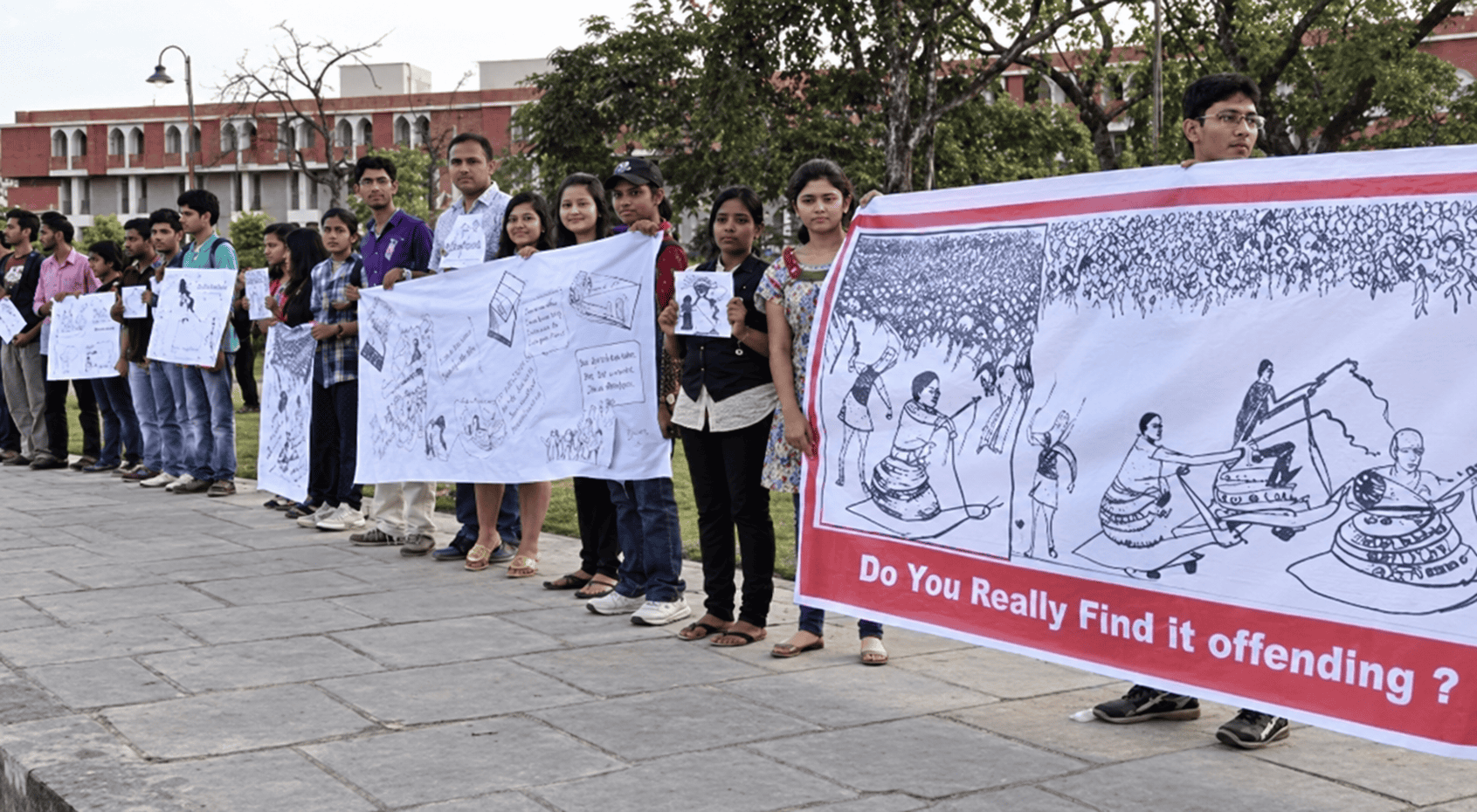
A recent analysis in @the_hindu examines the gradual disappearance of political cartoons from Indian textbooks, prompting discussion about what is ...gained, and what may be lost, when visual satire is removed from the classroom.
Beyond cartoons themselves, the debate highlights
Last week a Memorandum of Understanding was signed between our partners at Monitor Impact and the @EmiratesScholar for Research & Studies in the ...UAE.
The agreement establishes a framework for collaboration in research, knowledge exchange, and joint initiatives, strengthening
The Daily Sun @dailysunbd recently reported on Bangladesh’s National Curriculum and Textbook Board (NCTB) decision to revise school textbooks to ...better reflect what it calls the country’s “true history.” The changes may include new material on the 2024 student-led uprising and
IMPACT-SE’s new report on Jordan’s textbooks finds that while the curriculum includes themes of peace, tolerance, and coexistence, these values ...are not consistently reflected throughout the material.
The study highlights positive examples, which encourage religious moderation